ebozan

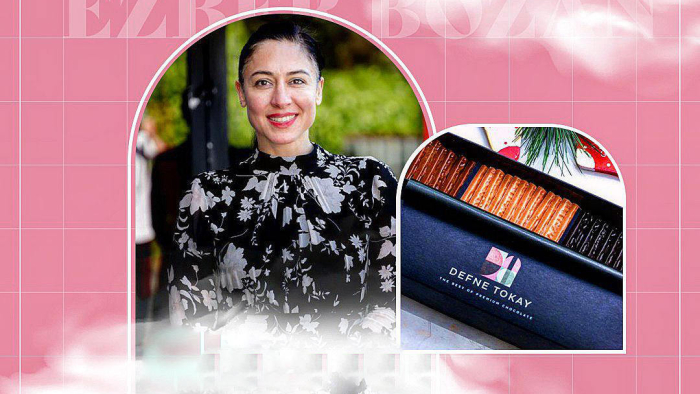
Defne Tokay with chocolate

The meaning of the phrase “ezber bozmak” in the dictionary is ‘to make people think by behaving differently from the norm’.

I realized that some of my friends whom I met on the journey of life have inspired me by making unconventional choices that break the mold.

I always asked them questions like, “Let’s shake things up a bit and find ways to overcome obstacles more easily.” The answers were as interesting as the individuals themselves, if you ask me… 🙂 My guest this week is Defne Tokay, who entered the chocolate world with her brand @defnetokaychocolate after a career in Human Resources. 🍫🙌

How did you decide to enter the chocolate world?

Seden, in the midst of the pandemic, I ended up in the world of chocolate in my search to find what I wanted to do. When faced with the question of what I wanted to do in this life and not being able to find a heartfelt answer, with the support and guidance of Can, I found myself in front of a mirror with a marker in my hand, writing not about what I wanted to do, but about how I wanted to feel while doing the work I wanted to do. I think the key point here is that if you don’t know or can’t hear what you want to do, instead of constantly asking yourself this question and locking yourself up completely, focus on how you want to feel. Everything flowed from there like unraveling a sock. 🙂

Which experience from the HR world supported you in difficult times?

I don’t know anything other than difficult times, to be honest. 🙂 Starting a business in the midst of a pandemic, introducing yourself, building a team, doing tastings—all of these are challenging on their own. None of it has been easy, and it still isn’t.

My biggest realization in the HR field came when I realized how different HR is in the entrepreneurial world compared to a corporate and established institution. Moving away from a structure where job descriptions, responsibilities, salary scales, and performance criteria are clearly defined, I found myself in an entrepreneurial process where I knew what my dream was, but had countless questions, uncertainties, and financial responsibilities. I made many wrong decisions and stumbled along the way. Being able to interpret and adapt experience, being open to learning from scratch when necessary, requires flexibility. HR means dealing with people, and being a human requires being flexible, being a learner, and adapting. I’m trying to do that as well.

What advice do you have for those who switch fields and become entrepreneurs?

As entrepreneurs, we often get caught up in constraints: limited funds, limited time, and we make decisions accordingly. Some limitations trigger creativity, while others make the situation seemingly insurmountable. When you find yourself trapped, it’s valuable to have someone who can pull you out of it. Also, being as clear as possible is important. Where you want to take your venture, what kind of picture you see at the end of the road. If that is clear, or becomes clear, the path unfolds naturally.
WhatsApp Image 2023-01-02 at 16.59.48

ICF Conference

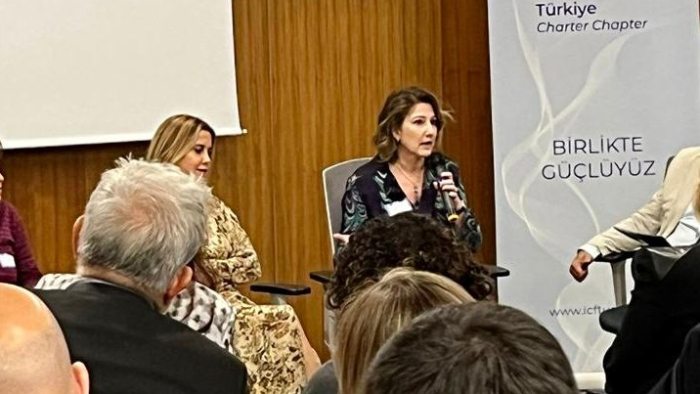
In this video, psychologist executive coach Seden Limoncuoğlu talks about her career journey, the essence of her profession and her role as a facilitator as a coach

<iframe title=”Türkiye ICF Koçluk Toplantısı” src=”https://www.youtube.com/embed/7XwCRWfD4B4″ width=”912″ height=”693″ frameborder=”0″ allowfullscreen=”allowfullscreen”><span data-mce-type=”bookmark” style=”display: inline-block; width: 0px; overflow: hidden; line-height: 0;” class=”mce_SELRES_start”></span></iframe>

post9-en

Which Way is Our Internal Compass Pointing?

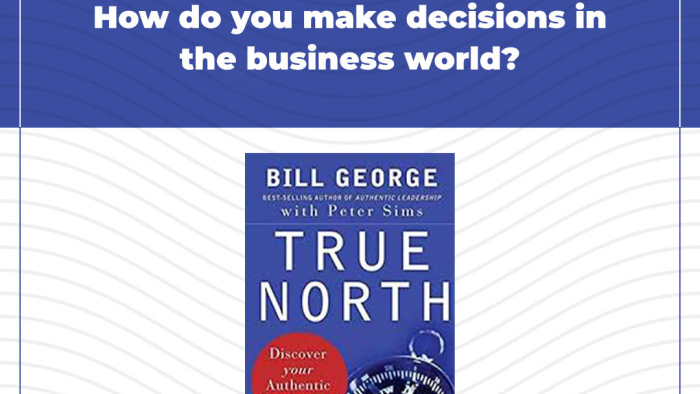
How do you make decisions in the business world? In other words, what is your compass? Sara Lee CEO Barnes says:

“Not everything in business is black and white. There is a lot of gray area. So let your character and values guide your actions in your career. The most important thing in leadership is your character and the values that drive you.”

So we should not only focus on the “what” – the results. We can choose to focus not only on the business reports, but also on our values and barriers that will compass us and replace the ones that will not carry us along the way with strong ones. This is where executive coaching comes in. With professional support, we discover how to ensure the sustainability of this change.

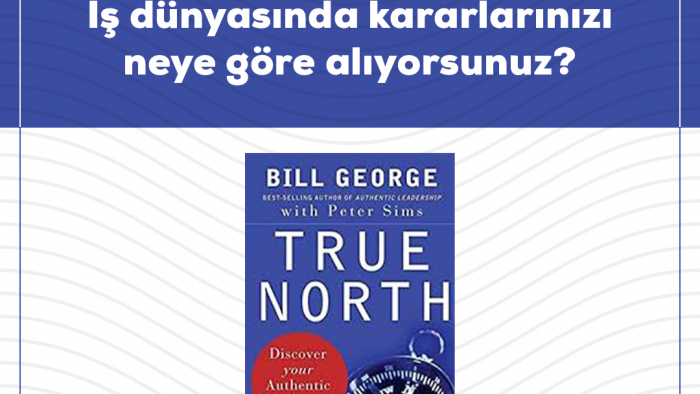
Inspiration: (Bill George)’s True North

post6-en

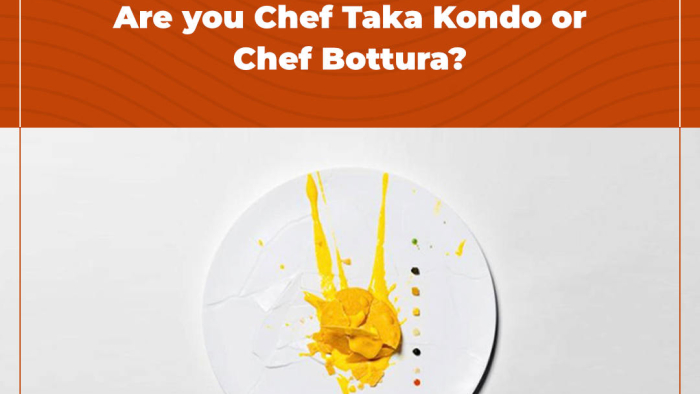
What is your perspective on failure? Are you Chef Taka Kondo or Chef Bottura?

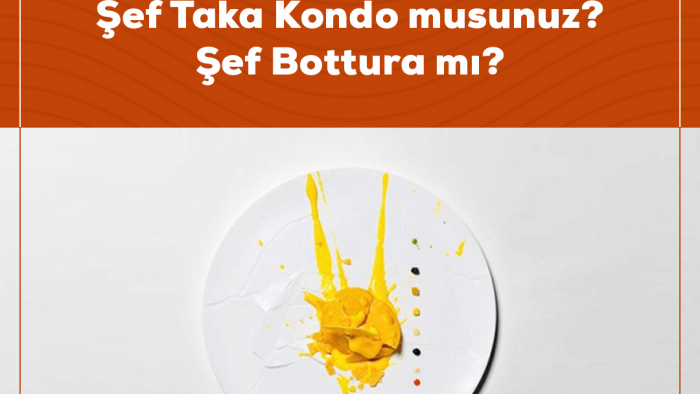
There is a famous Japanese sous chef; Taka Kondo is very sensitive about mistakes. He never accepts mistakes. A little too much sauce. Throw it in the trash! The salmon was undercut, start over! One day, before serving in the restaurant, he accidentally drops a lemon tart. Alas, everyone freezes in horror! Chef Bottura bends down calmly. He has the idea of “perfectly reconstructing imperfections”. He decides to present this dessert on the menu upside down and disheveled. He calls it “I dropped the lemon tart”. The dessert receives great applause as a brand new idea.

Here we see two approaches to error. What is your point of view? Are you Chef Taka Kondo or Chef Bottura?

post5-en

The Power of Questions

Care about the power of questions! The BBC cared, and got ahead in a shaken business world.

In the 90s, the media industry was introduced to a revolutionary technology: digital broadcasting. Suddenly TV channels risked losing viewers and advertising revenue. The BBC had no clear strategy on how to adapt. There was complete chaos.

In 2000, Goerge Dyke was appointed director general of the BBC. Dyke visited every business unit in Scotland, Ireland and Wales. He didn’t give long presentations. He just asked questions. Perhaps one would expect a leader like him to talk about a clear vision rather than waste time on questions. Dyke didn’t. He asked the teams:

What is the one thing I need to do to improve your business?
What is the one thing I need to do to improve the status quo for our viewers and listeners?

Then Dyke handed everyone a yellow card as a symbol of change. “If you see anyone killing a good idea, show them a yellow card like a referee,” he encouraged.

In a year, BBC 1 was ahead of its biggest rival. The questions are a demonstration of the care we take to learn from our team, to hear their ideas and to get to know them more personally. It is an intimacy. And believe me
If we invest in sincerity in our relationships, the rest will follow.

post3-en

The Road to Beginnings

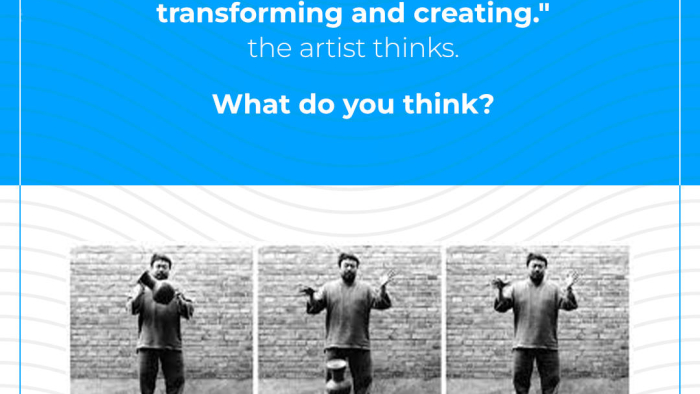
This vase is 2000 years old. The artist thinks it is necessary to break, transform and create. What do you think?

Massimo Bottura, the Italian Chef of Osteria Franseca, which won the World’s 50 Best Restaurants award in 2016, attributes his discovery of brand new flavors based on Italian cuisine to the fact that tradition sets him free.

When asked who inspires him, he talks about this series of photographs of Chinese performance artist Ai Weiwei breaking a 2000-year-old dynasty vase. When asked why he breaks thousands of years of history in an instant, Bottura emphasizes that Ai’s destructive gesture is actually constructive. For a beginning.

If you ask me, the path to new beginnings lies in breaking our routines, transforming our skills to use them in different fields and discovering our creative power to build new structures.

A book for those who want to read it: Francesca Giona – Rebel Talent

post2-en

Resilience

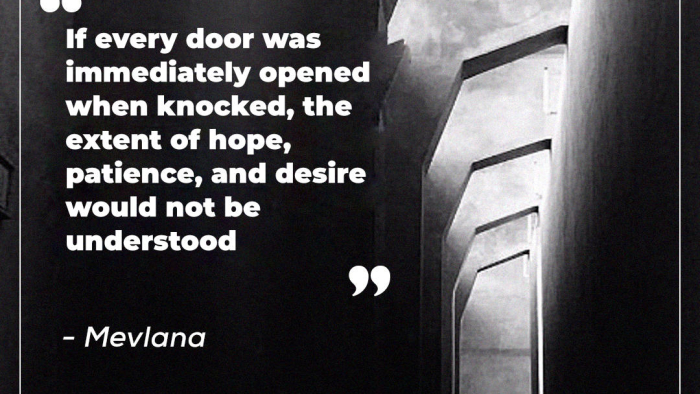
“If every door were immediately opened, the degree of hope, patience, and desire would not be understood.”

– Mevlana

These three emotions that Mevlana mentions are so important… Let’s start with hope because, in my opinion, hope is not just a feeling, it is a motivational system. Hope is the belief that there are paths for individuals with goals and the motivation to find those paths (Snyder, Rand, and Sigmon).

When we demonstrate patience, we think, “I have all the time I need.” At that moment, our brain starts visualizing that we have achieved what we need within our time frame because for our brain, thinking and doing are the same. You may have heard this: brain regions that become active when completing a motor skill also become active when mentally rehearsing the same task.

Now let’s talk about desire. Desire allows us to listen to our inner voice and focus our energy.

As you can see, this is a very powerful trio; hope, patience, and desire. If we have hope of reaching our goal and believe it will happen at the right time, and if we are also willing, then even challenging conditions cannot deter us, and our resilience is high.

post1

I wish we didn’t have to take them!

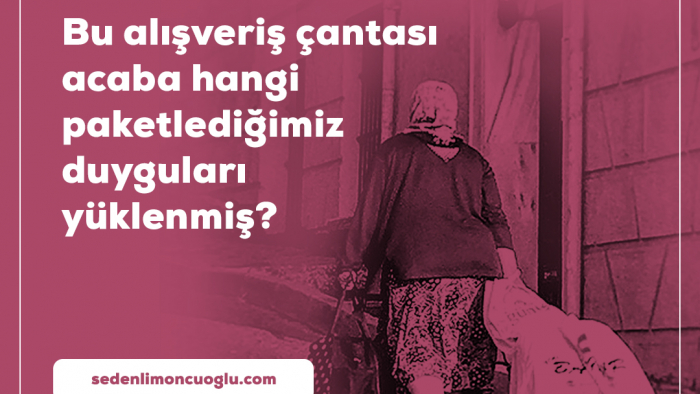
I believe that photographs take us beyond what is visible. That’s why when I take photos or look at them, I imagine things in my mind. For example, when I took this photo, I thought, “Which emotions are loaded in this shopping bag? Who knows how many meetings or relationships we start by carrying these? The burden is borne by guilt, regret, fear, and self-criticism.”

I have a favorite author named Bonnie Badenoch, and in her book, she says:

“We need to move away from the perspective of our analytical and judgmental left hemisphere of the brain and allow the right hemisphere to lead the processes because that’s when we become more curious and accepting.”

*For those who want to read the book: Bonnie Badenoch, The Heart of Trauma: Healing the Embodied Brain in the Context of Relationships

Let’s have a day where we experience and continue the lightness of accepting our emotions instead of judging them.

post9

İç pusulamız hangi yönü gösteriyor?

İş dünyasında kararlarınızı neye göre alıyorsunuz? Başka bir deyişle pusulanız ne? Sara Lee CEO’su Barnes diyor ki:

“İş dünyasında her şey siyah beyaz değil. Çok fazla gri alan var. Bu nedenle bırakın kariyerinizde karakteriniz ve değerleriniz eylemlerinize yön versin. Liderlikte en önemli şey sizin karakteriniz ve sizi yönlendiren değerlerdir.”

Bu nedenle sadece “ne” kısmına yani sonuçlara odaklanmamalıyız. Sadece iş raporlarına değil, bizi pusula olacak değerlerimizin, bariyerlerimizin üzerinde de çalışıp yol boyunca bizi taşımayacak olanları güçlü olanlar ile değiştirmeyi şeçebiliriz. Yönetici koçluğu işte burada devreye giriyor. Profesyonel bir destek ile bu değişimin sürekliliğini nasıl temin edeceğimizi keşfediyoruz.

İlham: (Bill George)’un True North kitabı

post6

Hataya bakış açınız nasıl? Şef Taka Kondo musunuz Şef Bottura mı?

Ünlü bir Japan sous şefi var; Taka Kondo hatalar konusunda çok hassas. Asla hata kabul etmiyor. Sos azıcık fazla mı konuldu. At çöpe! Somon az mı kesildi, baştan başla! Bir gün restoranda servis yapmadan önce yanlışlıkla bir limonlu tart düşürüyor. Eyvah, herkes korku ile donakalıyor! Şef Bottura ise sakinlikle yere eğiliyor. O “kusurları mükemmel bir şekilde yeniden inşa etme” fikrine sahip. Bu tatlıyı menüde ters ve dağılmış bir şekilde sunma kararı alıyor. Tartın ismini ise “Limonlu tartı düşürdüm’ koyuyor. Tatlı yepyeni bir fikir olarak büyük alkış alıyor.

Burada hataya karşı iki yaklaşım görüyoruz. Sizin bakış açınız nasıl? Şef Taka Kondo musunuz, Şef Bottura mı?